.png)
Operations Automation
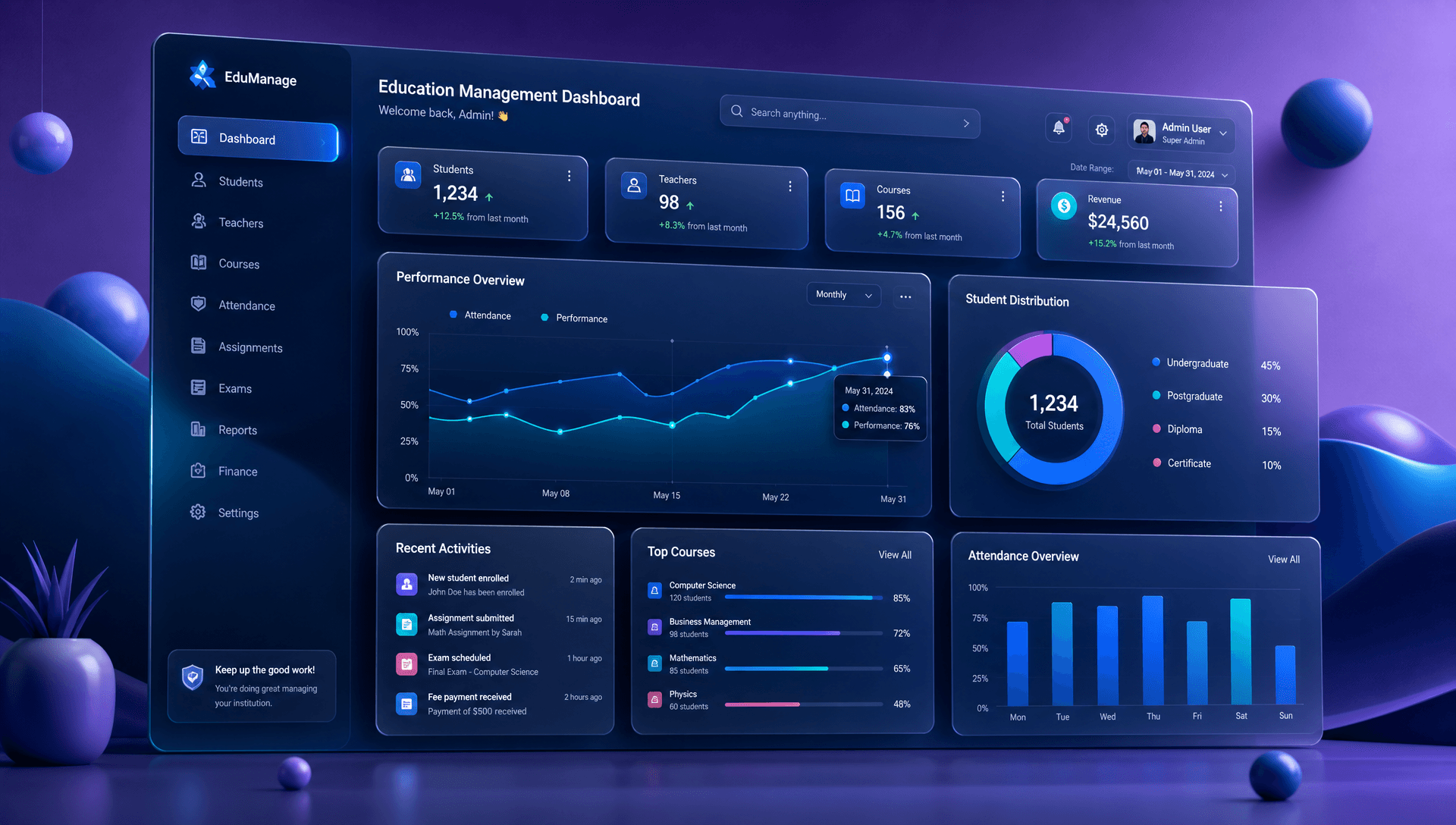
A centralized operations platform that replaces fragmented spreadsheets, emails and manual follow-ups with structured workflows, approvals, task management and real-time operational visibility.
About a Project
The Operations Automation platform was designed to help a growing organization move from fragmented, manually coordinated processes to a connected digital operating model. The solution brings requests, workflows, approvals, tasks, records and operational reporting into one centralized experience.
Project idea
Create one centralized platform for managing recurring operational processes, requests, approvals and tasks.
Replace fragmented spreadsheets, email chains and manual follow-ups with structured, traceable workflows.
Give managers real-time visibility into ownership, pending actions, turnaround times and operational bottlenecks.
Solutions we've delivered
Discovery, process mapping and UX redesign across high-frequency operational workflows.
Operations dashboard, request management, task queues and role-based workspaces.
Configurable approval workflows with rules, escalations, notifications and audit history.
Document, vendor and activity management with centralized records and searchable operational data.
API integrations, reporting, permissions and an extensible architecture for future automation.
Results
Faster execution of recurring operational processes through standardized workflow routing.
Reduced dependency on spreadsheets, email coordination and manual status follow-ups.
Improved accountability through clear ownership, deadlines, approvals and audit trails.
A scalable automation foundation that allows additional business processes to be digitized without rebuilding the platform.
Business Challenges
Before the transformation, operational work depended on disconnected spreadsheets, email conversations and manual follow-ups. As process volume increased, the organization needed a system that could standardize execution, make ownership visible and give leadership a reliable view of what was happening across the business.
Operational requests were spread across spreadsheets, emails and disconnected tools, making it difficult to know which work was pending, who owned it and what needed attention next.
Multi-step approvals depended heavily on manual coordination and follow-ups, creating avoidable delays whenever a stakeholder was unavailable.
Managers lacked a single operational view for workload, turnaround time, bottlenecks and exceptions across teams.
As the organization grew, adding more processes increased administrative overhead instead of creating a repeatable, scalable operating model.

Project in Details
The platform was designed as a connected operational ecosystem where requests can move from intake to completion through controlled, observable workflows. Automation handles predictable steps while teams retain visibility and control over decisions and exceptions.
Workflow Architecture
A modular architecture separates workflow configuration, operational records, task execution, approvals and reporting so each area can evolve independently.
The workflow engine acts as the central orchestration layer. Requests are routed according to configurable rules, with status changes and ownership recorded throughout the lifecycle.
Automated notifications and escalation paths reduce manual coordination while keeping exceptions visible to the people responsible for resolving them.
Role-based workspaces connect operations teams, managers and administrators through a shared data model while preserving permissions and role-specific experiences.
Product Essentials
The core modules work together to turn operational requests into structured, measurable and accountable processes.
Centralized workflow orchestration
Centralized workflow orchestration
Operational processes are represented as structured workflows with defined stages, owners, dependencies and completion rules. Teams can see exactly where each request stands instead of tracking progress through separate spreadsheets or conversations.
Workflow states, triggers and automated transitions create a consistent operating model across departments. New process types can be introduced without changing the core experience.

Looking to automate your business operations?
Connect with our software engineering experts. We help businesses replace manual processes with scalable workflow automation, integrated systems and real-time operational visibility.
Development in Detail
Workflow orchestration engine
We designed the application around configurable workflow states, transitions and business rules. This separates process configuration from the underlying application so new operational workflows can be introduced without duplicating the entire feature set.
Approval and escalation engine
Multi-level approvals are evaluated using configurable rules. Notifications, reminders and escalation paths keep work moving while preserving a complete history of decisions and ownership changes.
Operational analytics
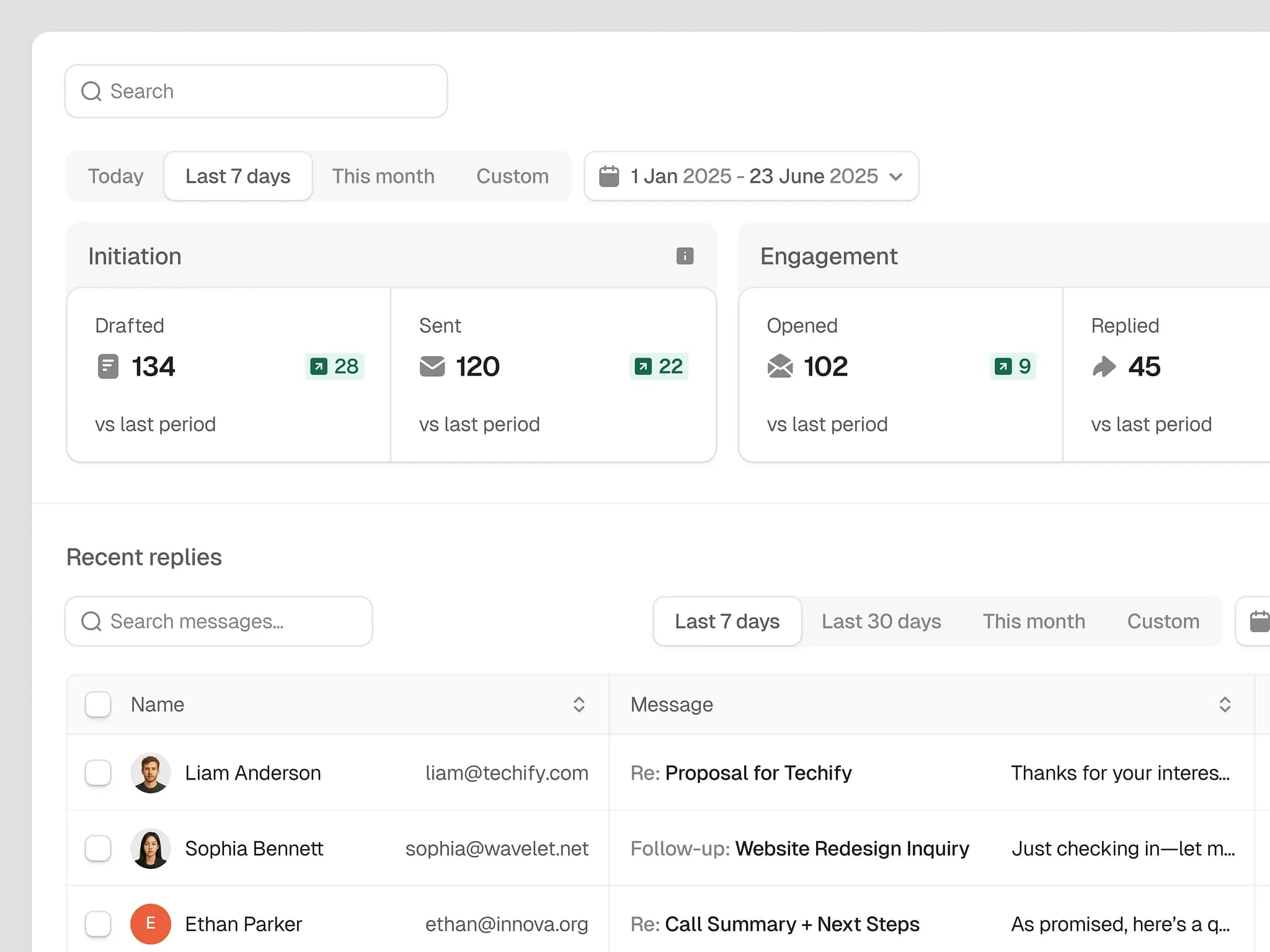
A reporting layer aggregates workflow activity into actionable operational metrics such as pending work, aging requests, turnaround patterns, workload distribution and process bottlenecks.
Integration and automation layer
The platform exposes API-driven integration points for external systems, notifications and data synchronization. Event-based processing allows repetitive operational actions to happen automatically while keeping exceptions visible to people.
Technology Stack
A modern stack selected for reliable workflow execution, responsive dashboards, maintainable APIs, secure data management and scalable infrastructure.
Frontend
Backend
Mobile
Infrastructure
Results Obtained
The platform creates measurable operational improvements by standardizing execution, automating predictable steps and making exceptions visible.
Less operational friction
Replacing fragmented coordination with structured workflows gives teams a single place to submit, process, approve and monitor operational work.
Faster decision cycles
Rule-based routing, reminders and escalation reduce the waiting time created by manual follow-ups and make ownership visible at every stage.
Built to scale
The reusable workflow architecture provides a foundation for automating additional departments and business processes without introducing another disconnected tool.